Top Benefits of Periodontal Treatment in Ventura

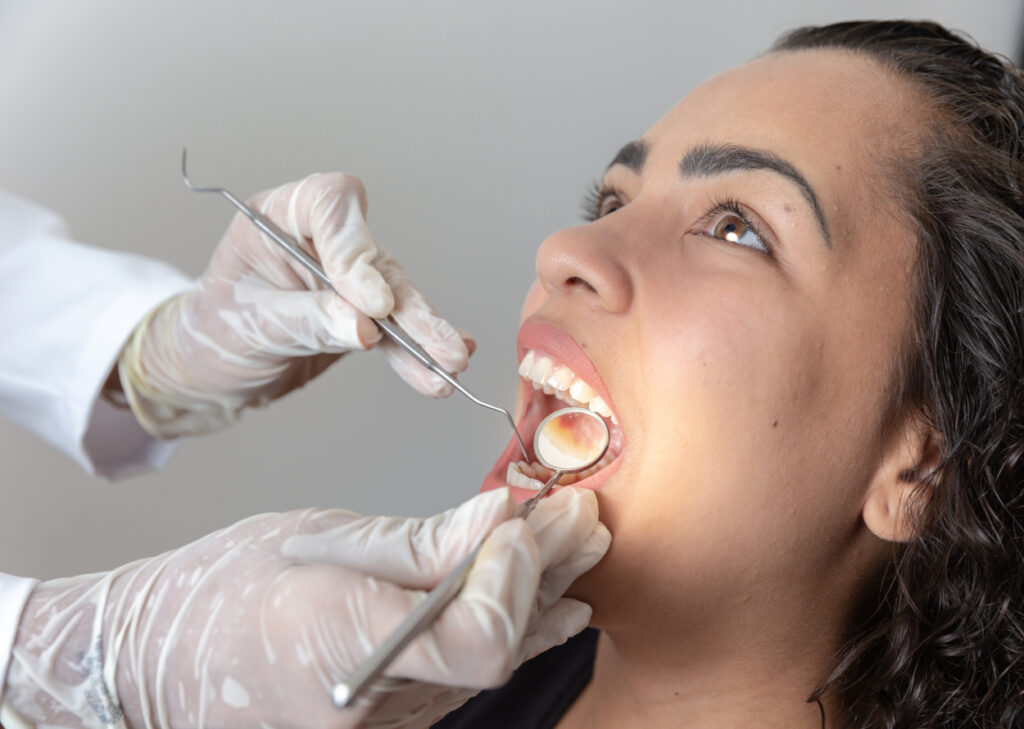
Healthy gums rarely get much attention until something starts to feel off. A little bleeding during brushing, a lingering bad taste, tenderness near a back molar, or the sense that teeth are not sitting quite as firmly as they used to, these are often brushed aside as minor irritations. In practice, they can be early signs of periodontal disease, a condition that affects the tissues supporting the teeth and, when ignored, can quietly do significant damage.
For patients in Ventura, periodontal care offers more than disease control. Good treatment can preserve natural teeth, improve comfort, freshen breath, support overall oral function, and in many cases prevent the need for more complex restorative work later. The value of treatment is not only clinical. It is practical. People eat better, smile more freely, and stop worrying every time they see a little blood in the sink.
The phrase Periodontal Treatment Ventura often brings people to a dental office when they are already anxious. They may have heard the words “deep cleaning,” “bone loss,” or “gum infection” and immediately assume the worst. What usually helps most is a clear understanding of what periodontal treatment does and why it matters. The benefits are real, measurable, and often noticeable sooner than patients expect.
Why gum health affects more than your gums
The gums and underlying bone form the foundation for every tooth in the mouth. When that foundation becomes inflamed or infected, the effects spread beyond the gumline. A tooth can look mostly fine from above while the support underneath is slowly weakening. That is one reason periodontal disease is so deceptive. It is often painless in the early stages.
In a healthy mouth, the gum tissue fits snugly around the teeth, forming a protective seal. With gingivitis or periodontitis, bacteria in plaque trigger inflammation. The gums swell, bleed more easily, and may begin to pull away from the tooth surface. As the condition advances, pockets form between the gums and teeth. These pockets trap more bacteria, making the problem harder to control with brushing alone.
Many patients are surprised to learn how common this is. Mild gum inflammation is widespread, and moderate periodontal disease is not rare in adults. That does not mean every case becomes severe, but it does mean early attention matters. In a coastal community like Ventura, where people often value active living, outdoor social life, and a healthy appearance, untreated gum disease can gradually interfere with daily comfort in ways that become hard to ignore.
One of the biggest benefits: keeping your natural teeth
The most important advantage of periodontal treatment is also the most straightforward. It helps people keep their teeth.
Tooth loss is rarely a sudden event. More often, it is the endpoint of a process that has been developing for years. Bone support decreases. The gums recede. Teeth may begin to shift or loosen slightly. Some patients notice spaces opening where food gets trapped. Others say chewing no longer feels balanced. By the time a tooth becomes visibly mobile, a fair amount of support may already be gone.
Effective periodontal care interrupts that process. Depending on the stage of disease, treatment may include a detailed periodontal evaluation, scaling and root planing, localized antibiotics, maintenance cleanings at shorter intervals, or referral to a periodontist for advanced procedures. The goal is to reduce the bacterial load, calm inflammation, and create an environment the body can maintain more effectively.
This benefit is often underestimated because people compare periodontal therapy to extraction and replacement costs only after disease has progressed. In reality, preserving a natural tooth is usually simpler, more comfortable, and more economical than losing it and moving on to an implant, bridge, or removable prosthetic. Even when replacement options are excellent, nothing replicates the exact feel of your own healthy tooth in function.
Bleeding and soreness usually improve faster than people expect
A common moment in periodontal care happens about a week or two after initial treatment. The patient returns and says some version of, “I didn’t realize my gums had been bothering me that much until they stopped.” That is a genuine pattern. Chronic inflammation can become background noise. People adapt to tenderness, bleeding, or puffiness and stop seeing it clearly.
Once plaque, tartar, and infected deposits are removed from below the gumline, the tissue often begins to respond quickly. Bleeding decreases. Brushing becomes less unpleasant. Swollen gums can shrink to a healthier contour. Patients who once avoided flossing because it always made a mess may find that the tissue becomes more resilient with proper care.
There is an important nuance here. Initial treatment can leave the gums temporarily tender, especially after deep cleaning in inflamed areas. That does not mean treatment failed. Quite often, that short period is part of the healing process. The longer view matters. Healthy gums should not bleed routinely with gentle brushing or flossing. When they do, it is a sign worth addressing rather than normalizing.
Better breath is not just cosmetic
Persistent bad breath carries a social and professional cost that many people feel deeply. They keep mints in the car, chew gum before meetings, or angle their face away in conversation. Sometimes the cause is dry mouth, certain foods, sinus issues, or stomach problems. Very often, though, the source is bacterial buildup in the mouth, especially around inflamed gums and periodontal pockets.
Periodontal treatment can make a meaningful difference because it targets one of the most stubborn sources of odor: bacteria that sit below the gumline and produce unpleasant sulfur compounds. Home care helps, but once those pockets deepen, brushing the surface alone will not resolve the problem.
This matters for confidence as much as hygiene. A patient may not say, “I came here because I think my breath smells bad,” but the relief is obvious when the issue improves. It changes the way people talk, laugh, and interact. That is not vanity. It is quality of life.
Treatment protects the investment you have already made in your mouth
Many adults in Ventura have had years of dental work, fillings, crowns, veneers, implants, orthodontics, or cosmetic treatment to improve their smile. Periodontal disease can undermine all of that. Beautiful crowns still depend on healthy surrounding tissue. Straight teeth still need stable bone support. Even dental implants require healthy gum tissue and cleanable conditions to remain successful over time.
When gum disease is present, restorative work becomes harder to predict. Margins may become exposed as gums recede. Teeth may move after orthodontic treatment if the supporting structures are inflamed. Food trapping can worsen around areas that looked fine when they were first restored.
Periodontal treatment acts as a stabilizing measure. It helps protect previous dental work and gives any future treatment a better chance of lasting. That is especially important when someone is considering cosmetic improvements. A whiter, straighter smile looks better and holds up better when the gums are healthy, even, and inflammation-free.
It can improve chewing comfort and day-to-day function
People often think of gum disease in visual terms, bleeding, redness, recession. Just as important is what it does to function. Inflamed gums can make chewing feel sore in certain spots. Teeth with reduced support may feel sensitive to pressure. Patients sometimes avoid crunchy or fibrous foods without realizing they have been making quiet adjustments for months.
This can affect nutrition and enjoyment. An apple, a sandwich crust, grilled vegetables, a steak, even a simple salad can become less appealing if chewing triggers discomfort or gets food packed into inflamed pockets. Once periodontal treatment reduces inflammation and the tissue begins to tighten around the teeth again, those daily annoyances often ease.
There are limits, of course. If bone loss is advanced or teeth have become significantly mobile, treatment may not return everything to the way it was years earlier. Still, even in moderate cases, reducing infection and establishing a stable maintenance routine can substantially improve comfort and function.
Earlier treatment often means less invasive care later
One of the clearest practical benefits of timely periodontal treatment is that it can reduce the need for more extensive procedures. Gingivitis, the earliest stage of gum disease, is reversible. Periodontitis, once bone loss begins, is managed rather than fully reversed. That distinction matters.
A patient who seeks care when gums first start bleeding may need improved home care, a professional cleaning, and closer monitoring. A patient who waits until there is visible recession, deep pockets, or loose teeth may require scaling and root planing, localized antimicrobials, periodontal surgery, grafting, or eventual extraction and replacement.
That progression is not guaranteed, but it is common enough to be worth taking seriously. Dentistry is full of situations where delays increase complexity. Periodontal disease is near the top of that list because symptoms can seem mild while structural damage continues underneath.
For residents searching for Periodontal Treatment Ventura, this is often the deciding point. They want to know if acting now truly changes the outcome. In many cases, yes, it does.
Gum treatment can make routine home care finally work
One frustrating experience patients describe is doing “everything right” and still seeing bleeding or tenderness. They brush twice a day, use mouthwash, maybe floss a few times a week, yet the problem persists. That can feel discouraging, and some people simply give up.
The issue is that once calculus hardens below the gums or periodontal pockets deepen, home care is no longer enough on its own. It is not a failure of effort. It is a limitation of reach. You cannot brush away deposits that are attached under the gumline or disinfect a deep periodontal pocket with ordinary rinsing.
After professional periodontal treatment removes those barriers, home care becomes effective again. Patients often notice that floss slides more cleanly, brushing causes less bleeding, and the mouth feels fresher between cleanings. This is one of the more satisfying aspects of treatment because the patient’s daily habits start producing visible results.
There are esthetic benefits, too
Healthy gums frame the teeth. They create symmetry, support, and a clean appearance that people notice even if they cannot explain why a smile looks appealing. Inflamed gums can look shiny, swollen, or uneven. Receding tissue can make teeth appear too long or expose root surfaces that differ in color from enamel.
Periodontal treatment can improve the appearance of the gumline by reducing inflammation and restoring firmer tissue contours. In some cases, additional periodontal procedures such as grafting may be recommended to address recession or sensitivity, but even non-surgical therapy often improves the overall look of the smile.
This is not only about photographs or cosmetic ideals. Many people simply want their mouth to look healthy again. When the gums stop appearing irritated, the whole expression changes. A person who has been smiling with lips closed because they dislike the way their gums look may feel more at ease in social settings.
The maintenance phase is where long-term success happens
A lot of people think treatment ends after the deep cleaning or initial periodontal therapy. In reality, maintenance is where the long-term benefit is protected.
Periodontal disease is not like a cavity that gets filled and forgotten. It is a chronic condition influenced by oral bacteria, genetics, home care, smoking status, dry mouth, bite forces, stress, and systemic health. Once someone has had periodontitis, they remain more vulnerable to recurrence than a person who never had it.
That is why periodontal maintenance visits are usually scheduled more often than standard cleanings, often every three or four months depending on the case. These visits allow the dental team to monitor pocket depths, evaluate bleeding points, remove new deposits before they mature, and catch trouble early.
Patients sometimes resist the idea at first. They wonder if more frequent visits are really necessary. Clinically, the answer is often yes. In everyday terms, it is similar to servicing a car before a small issue becomes a major repair. The shorter interval helps keep bacterial repopulation under control and protects the progress already made.
Ventura patients often ask whether treatment is worth it if they are not in pain
That question deserves a direct answer. Yes, https://lukasdabj269.northcrestbrief.com/posts/periodontal-treatment-ventura-early-detection-and-better-outcomes often it is.
Pain is a poor guide for periodontal disease. Some of the most advanced cases are not especially painful until late in the process. People assume that if something serious were happening, they would feel more. Unfortunately, gum disease does not always work that way. The absence of pain can create a false sense of safety.
A patient may come in because a hygienist mentioned pocketing during a cleaning six months earlier, and only now are they following up. On exam, there may be 5 or 6 millimeter pockets around several teeth, moderate bleeding, and early bone loss visible on X-rays. That is a salvageable situation in many cases, but it is no longer a minor issue.
The benefit of treatment at that point is not dramatic in the way emergency pain relief can be dramatic. It is quieter and more strategic. It preserves options. It reduces risk. It buys time and stability. Those benefits matter.
Some cases involve broader health considerations
It is sensible to keep claims measured here. Periodontal treatment is dental treatment, not a cure for medical conditions. Still, gum inflammation does not exist in isolation. Dentists routinely see stronger periodontal problems in patients with diabetes, tobacco use, chronic dry mouth, hormonal changes, or certain medications. Poorly controlled diabetes, in particular, can make gum disease harder to manage, and severe gum inflammation can make oral health harder to stabilize overall.
That does not mean every medical issue starts in the gums or that gum treatment fixes systemic disease. It does mean that reducing chronic oral inflammation is generally a positive step in a person’s broader health picture. Physicians and dentists increasingly appreciate the overlap, especially when patients are trying to improve control of long-standing conditions.
For some Ventura patients, the turning point comes after a physician mentions oral health during a routine medical conversation. For others, it comes after dental treatment finally stops a cycle of bleeding and irritation that has been ongoing for years. Either way, periodontal care often fits into a larger effort to take health seriously, not in an abstract way, but in a practical, daily one.
What good periodontal care looks like in real life
The best treatment plans are specific. They are based on pocket measurements, radiographs, bleeding patterns, recession, mobility, medical history, and the patient’s ability to maintain the result at home. A mild case in a healthy nonsmoker with excellent home care looks different from a more advanced case in a patient with diabetes and years of accumulated buildup.
That is why blanket promises are unhelpful. Not every patient needs surgery. Not every patient can return the gums to their original condition. Not every deep cleaning feels easy. But good care is honest about trade-offs. It explains what can realistically improve, what can be stabilized, and what requires ongoing attention.
In many offices, the turning point is not a single dramatic appointment. It is a sequence. The patient understands the diagnosis, receives thorough treatment, follows a customized home care routine, returns for maintenance, and sees the numbers improve over time. Bleeding scores go down. Pocket depths become more manageable. Breath improves. The gums look calmer. Stability replaces uncertainty.
That is a meaningful outcome, even if it unfolds gradually.
The benefit people value most is often peace of mind
When periodontal disease is untreated, there is a low-grade worry that tends to linger. Patients notice blood when flossing and hope it is nothing. They feel tenderness around one tooth and avoid chewing on that side. They are told they have bone loss and leave the appointment without really understanding what that means. The uncertainty wears on them.
Successful periodontal treatment replaces that uncertainty with a plan. Patients know where they stand. They understand which areas need attention and why. They have a maintenance interval that makes sense for their condition. Instead of waiting for something to get worse, they are actively protecting their teeth.
For many people seeking Periodontal Treatment Ventura, that peace of mind is every bit as important as the clinical metrics. They want to keep their smile, avoid unnecessary tooth loss, and feel confident that they are addressing a real problem before it becomes a larger one. Periodontal treatment offers exactly that when it is done thoughtfully and followed consistently.
Healthy gums do not draw much attention, and that is part of their value. They let you eat, speak, laugh, and live without friction. When treatment restores that ease, the benefit is obvious. It shows up in comfort, appearance, function, and long-term stability. Most of all, it helps protect the parts of oral health that are hardest to replace once they are gone.
Avra Dental
Address: 1708 S Victoria Ave B, Ventura, CA 93003
Phone number: (805) 941-1001
FAQ About Periodontal Treatment Ventura
Can a dentist get rid of periodontal disease?
A dentist or gum specialist (periodontist) cannot fully cure or reverse advanced periodontal disease (periodontitis), but they can successfully stop its progression and manage the infection.
Is periodontitis very serious?
Yes, periodontitis is a very serious, advanced form of gum disease that destroys the bone and tissues supporting your teeth.
How is stage 2 periodontal disease treated?
Stage 2 periodontal disease (early to moderate periodontitis) is primarily treated with non-surgical deep cleaning procedures like scaling and root planing to remove bacteria and tartar below the gumline.