How Often Should You Get Gum Disease Treatment?


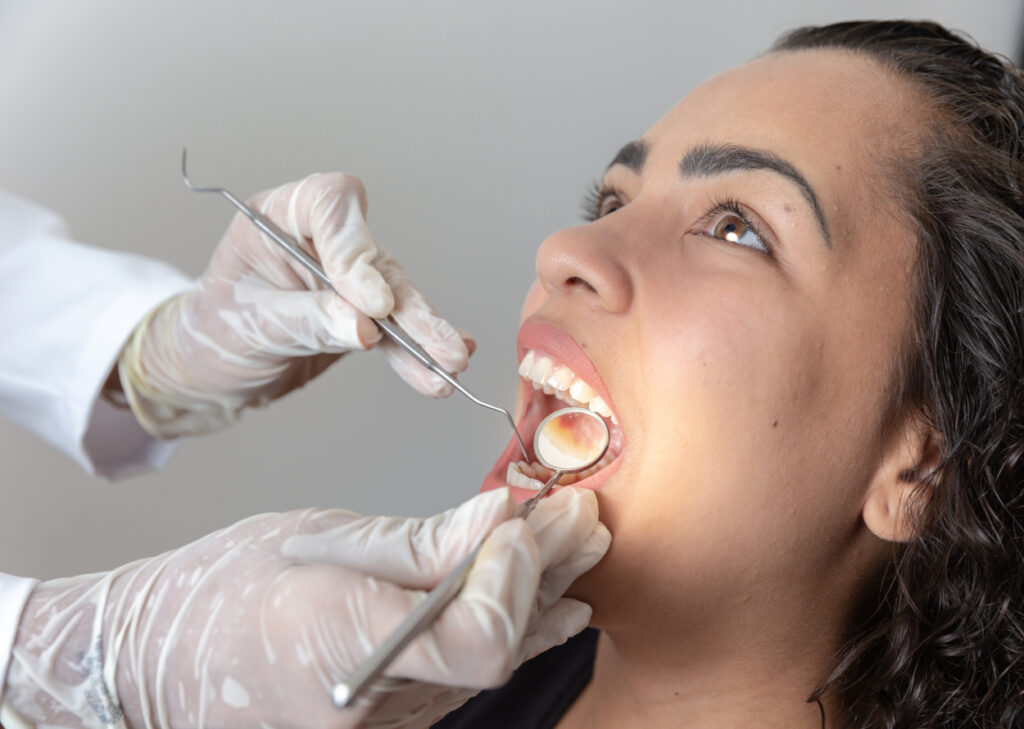
The honest answer is that gum disease treatment is rarely a one-time event. For some people, a single course of care followed by excellent home hygiene and routine maintenance is enough to keep things stable for years. For others, especially those with deeper pockets around the teeth, smoking history, diabetes, dry mouth, or a long stretch of neglected dental care, treatment needs to happen in phases and then continue at regular intervals.
That is what surprises many patients. They assume gum disease works like a cavity. You fix it, the issue is gone, and you move on. Periodontal disease does not behave that way. Once the supporting tissues around the teeth have been inflamed or damaged, the mouth often needs ongoing surveillance. The frequency depends less on a calendar rule and more on what your gums are doing over time.
The short answer most dentists give
If you have active gum disease, treatment may begin over several appointments within a few days or weeks. After that, many patients benefit from periodontal maintenance every three to four months rather than the standard six-month cleaning. If your gums are healthy and stable after treatment, your dentist or periodontist may eventually extend visits to four, six, or sometimes even longer intervals. If disease remains active, treatment may need to be repeated sooner.
That may sound vague, but clinically it makes sense. Gum disease is measured by signs like bleeding, pocket depth, plaque buildup below the gumline, bone loss on X-rays, tooth mobility, and how your tissues respond after care. Those findings matter far more than a generic recommendation pulled from a brochure.
Why the timing varies so much
There is no single schedule because gum disease itself is not a single condition. Mild gingivitis is very different from moderate or advanced periodontitis. Gingivitis means inflammation is present, usually with redness, tenderness, and bleeding, but without the deeper attachment and bone loss seen in periodontitis. Gingivitis can often improve quickly with a professional cleaning and consistent brushing and flossing. Periodontitis is more stubborn. It involves infection and inflammation deeper under the gums, and it can permanently damage the structures that hold teeth in place.
In practice, I have seen two patients with similar age and similar amounts of tartar need very different treatment intervals. One responds beautifully after deep cleaning and improved home care, with bleeding dropping off and pocket depths shrinking in a few months. Another continues to form heavy deposits under the gums, misses areas while brushing, and returns with inflammation despite sincere effort. The second patient simply needs more frequent professional care.
Biology plays a role too. Some people build calculus quickly. Some heal slowly. Some have medications that reduce saliva, which makes plaque control harder. Hormonal shifts, stress, immune conditions, and poorly controlled blood sugar can change the way gums behave between visits.
What happens during gum disease treatment
When people ask how often they should get Gum Disease Treatment, it helps to define what treatment means. It can include several different things, and they are not all repeated on the same timeline.
A regular prophylaxis, often called a routine cleaning, is meant for mouths that are basically healthy or have only mild inflammation. It removes plaque and tartar above the gumline and in shallow areas.
Scaling and root planing, often called a deep cleaning, is used when there are periodontal pockets, bleeding, and buildup below the gums. This is more involved than a routine cleaning. The goal is to remove bacteria and deposits from root surfaces so the tissues can heal and reattach as much as possible.
Periodontal maintenance happens after active treatment. It is not the same as a standard cleaning. These visits are designed for patients with a history of periodontitis and usually include detailed monitoring of the gums, deeper instrumentation where needed, and close attention to signs of recurrence.
Some patients also need localized antibiotic therapy, bite adjustment, laser-assisted treatment in select offices, or referral to a periodontist for surgical care if pockets remain deep or bone loss is advanced.
Because these services have different purposes, their frequency differs too. Deep cleaning is not typically done every few months across the whole mouth unless disease remains active. Maintenance visits, on the other hand, are often scheduled three or four times a year.
The three-month rule and why it exists
You will often hear that periodontal maintenance should happen every three months. That is not an arbitrary number invented to fill the schedule. It comes from how bacteria repopulate in periodontal pockets and how quickly inflammation can return in susceptible patients.
After treatment, the bacterial environment under the gums starts changing again. In a healthy, low-risk patient with excellent home care, that shift may be slow enough that six months is reasonable. In a patient with a history of periodontitis, especially deeper pockets or areas that are difficult to clean, harmful bacterial communities can re-establish themselves much sooner. Three months is often short enough to disrupt that cycle before significant breakdown resumes.
That does not mean everyone with past gum disease must stay on a three-month schedule forever. Some do. Some can move to four months. A smaller group, once they have been stable for a long time and have low risk factors, may be managed at six months under careful supervision. But in most periodontal practices, three to four months is the common maintenance range for a reason.
What determines your ideal schedule
A good treatment interval is individualized. Dentists and periodontists usually weigh a cluster of findings rather than one isolated number.
Here are the factors that matter most:
- Pocket depth and bleeding levels
- Bone loss and previous attachment loss
- Smoking, vaping, diabetes, and dry mouth
- Quality of home care and tartar buildup rate
- History of relapse after earlier treatment
A patient with multiple four to six millimeter pockets, heavy bleeding on probing, and poorly controlled diabetes should not be managed the same way as someone who had mild disease years ago and now shows little inflammation. The first patient may need active therapy now and close maintenance afterward. The second may do well with longer intervals if the condition remains quiet.
Signs that you may need treatment sooner than scheduled
The mouth often gives warnings before a periodontal checkup is due. The problem is that many people ignore them because gum disease is not always painful. It can progress quietly, especially in the early to moderate stages.
Bleeding when brushing or flossing is one of the most common signs. People often say, “I thought I was brushing too hard.” Sometimes they are, but persistent bleeding is more often a sign of inflammation. Puffy or tender gums, bad breath that does not improve with brushing, teeth that look longer, new spaces between teeth, or sensitivity around the gumline can also point to trouble. More advanced disease may cause teeth to feel loose or a bite to shift in subtle ways.
If you have already had Gum Disease Treatment and any of these signs reappear, it is worth calling your dental office rather than waiting for the next maintenance visit. Catching a flare-up early is usually simpler and cheaper than letting it smolder for another three months.
Mild gingivitis is not the same as periodontitis
One of the biggest points of confusion is the difference between being told, “Your gums are inflamed,” and being told, “You have periodontal disease.”
With gingivitis, treatment frequency is often closer to normal preventive care once the inflammation settles. If a person improves brushing technique, flosses consistently, and gets a professional cleaning, the tissue can rebound well because bone and deeper support have not been lost. Follow-up may still be sooner than six months if hygiene needs coaching, but the long-term outlook is generally favorable.
Periodontitis changes the conversation. Once attachment loss and bone loss are present, the aim shifts from cure to control. You are trying to stop progression, reduce pocket depths where possible, manage inflammation, and preserve teeth for the long haul. That usually means maintenance becomes part of routine life, much like eye checks for glaucoma or regular monitoring for high blood pressure.
Patients sometimes feel discouraged when they hear that. I usually frame it differently. Ongoing maintenance is not a sign that treatment failed. It is the reason treatment continues to succeed.
How often deep cleaning needs to be repeated
A full-mouth deep cleaning is usually not repeated on a fixed annual schedule. It is done when clinical findings show active disease below the gumline that cannot be managed with a standard cleaning. Many patients have scaling and root planing once, then shift into maintenance visits. Others may need retreatment in certain areas if pockets remain deep, if there is persistent bleeding, or if new deposits form under the gumline.
That distinction matters. Repeating the exact same therapy over and over without reevaluating why disease is recurring is not ideal care. If certain teeth keep showing six or seven millimeter pockets, the better question is whether there are contributing factors such as furcation involvement, root anatomy, smoking, bite trauma, grinding, or home-care limitations. In those cases, a periodontist may recommend localized retreatment, surgical pocket reduction, grafting, or extraction if a tooth is no longer predictable.
So if you are wondering whether Gum Disease Treatment should happen every six months, the answer is usually no for deep cleaning, but maybe yes or more often for monitoring and maintenance, depending on your condition.
The role of home care between appointments
Treatment frequency depends heavily on what happens in your bathroom sink every morning and night. Professional care can remove hardened deposits and disrupt bacterial colonies in places you cannot reach. It cannot compensate indefinitely for ineffective daily plaque control.
That is why two patients who receive the same in-office treatment can end up on very different schedules. One takes the coaching seriously, switches to an electric toothbrush, cleans between the teeth every day, and improves dramatically. Another brushes quickly, skips the back molars, and only flosses before appointments. The second patient often returns with inflammation long before the calendar says it should be there.
Most adults do better when home care is practical rather than ambitious. A realistic routine done consistently beats an elaborate routine done for four days and abandoned. For many people, that means brushing thoroughly twice a day for two full minutes, cleaning between the teeth once a day with floss or interdental brushes, and using any prescription rinse or toothpaste exactly as directed.
When a periodontist should get involved
A general dentist can diagnose and manage many cases of gum disease, especially early and moderate cases. Still, certain patterns deserve specialist evaluation. Deep pockets that do not improve, significant bone loss, gum recession combined with mobility, possible need for surgery, and complex medical history are common reasons for referral.
This is not about one clinician being better than another. It is about matching the complexity of the problem to the right skill set. Periodontists spend their careers focused on the structures around the teeth. If your case is advanced, seeing one early can save time and improve the chances of keeping teeth stable.
A patient in their forties with generalized bone loss and several loose molars may need a different cadence of care than someone with localized mild disease around two teeth. Specialist input often clarifies whether repeated non-surgical treatment is enough or whether surgical intervention is the more predictable route.
Common treatment intervals in real practice
While every case is individual, certain schedules show up often in day-to-day dentistry. Someone with gingivitis may have a professional cleaning now, improved home care, and re-evaluation in a few months before returning to six-month visits. A patient with moderate periodontitis may complete scaling and root planing over two to four appointments, return in four to eight weeks for reassessment, then move to maintenance every three months. A stable long-term periodontal patient with low bleeding scores and excellent home care may eventually be seen every four months instead of every three.
The key point is that treatment is adjusted after reassessment. The first schedule is not carved in stone. Gums either respond or they do not, and the response tells the story.
What happens if you wait too long
When gum disease appointments are delayed repeatedly, plaque matures, tartar accumulates, pockets deepen, and inflamed tissues become more difficult to stabilize. The result is often more extensive treatment later. A maintenance visit skipped in spring can become scaling and root planing by fall. A deep pocket that might have responded to early retreatment can become a site needing surgery. In advanced cases, delaying care long enough can mean losing teeth that were previously maintainable.
Cost is part of this too. Patients sometimes postpone care to save money, only to end up needing more expensive interventions such as periodontal surgery, bone grafting, extraction, or implant treatment. That is not a scare tactic. It is the arithmetic of untreated disease.
Questions worth asking at your next visit
If you have been told you need Gum Disease Treatment, do not settle for a vague recommendation. Ask your dentist or periodontist what they are seeing and how they plan to measure improvement. Useful questions include whether you have gingivitis or periodontitis, how deep the pockets are, whether bone loss is present, what type of cleaning or treatment is recommended, and how often maintenance should happen after active therapy.
You should also ask what would make your schedule shorter or longer. That gives you a concrete target. If your provider says, “If we can get bleeding down and keep most pockets at three millimeters or less, we may move you to every four months,” https://sethetek388.trexgame.net/a-complete-guide-to-gum-disease-treatment-for-beginners that is far more helpful than a generic “come back often.”
A practical way to think about frequency
If you want a rule of thumb, think of gum disease treatment in three stages rather than one appointment type.
First comes active treatment, which may happen over a few visits in a short period. Second comes reassessment, usually within weeks or a couple of months, to see how the tissue responded. Third comes maintenance, often every three to four months for people with a history of periodontitis.
That framework helps because it reflects how periodontal care actually works. You are not simply booking cleanings. You are controlling a chronic inflammatory condition with periodic professional intervention and daily self-care.
The best schedule is the one your gums can sustain
How often should you get gum disease treatment? Often enough to keep inflammation under control, pocket depths stable, and further bone loss from occurring. For many patients with true periodontitis, that means maintenance every three to four months after initial treatment. For mild gum inflammation, it may mean a shorter burst of care before returning to standard preventive visits. For high-risk patients, it may mean staying on a tight schedule indefinitely.
If there is one lesson that holds up in nearly every case, it is this: gum disease responds best to consistency. Not heroic effort once a year, not last-minute flossing before the appointment, and not waiting until something hurts. Steady care, well-timed follow-up, and honest reassessment are what keep teeth functioning for decades. That is the real goal of treatment, and it is why the right frequency matters so much.
Avra Dental
Address: 1708 S Victoria Ave B, Ventura, CA 93003
Phone number: +18057653206
FAQ About Gum Disease Treatment
Can I make my gums healthy again?
Yes, you can make early-stage gum disease completely healthy again, but advanced damage requires professional care to manage.
Can you cure gum disease?
You can cure early-stage gum disease, but advanced gum disease cannot be fully cured.
Can I live a normal life with gum disease?
Yes, you can live a normal life with gum disease, but it requires active, lifelong management to control the condition and prevent serious complications