Emergency Dentist Ventura Solutions for Knocked-Out Teeth
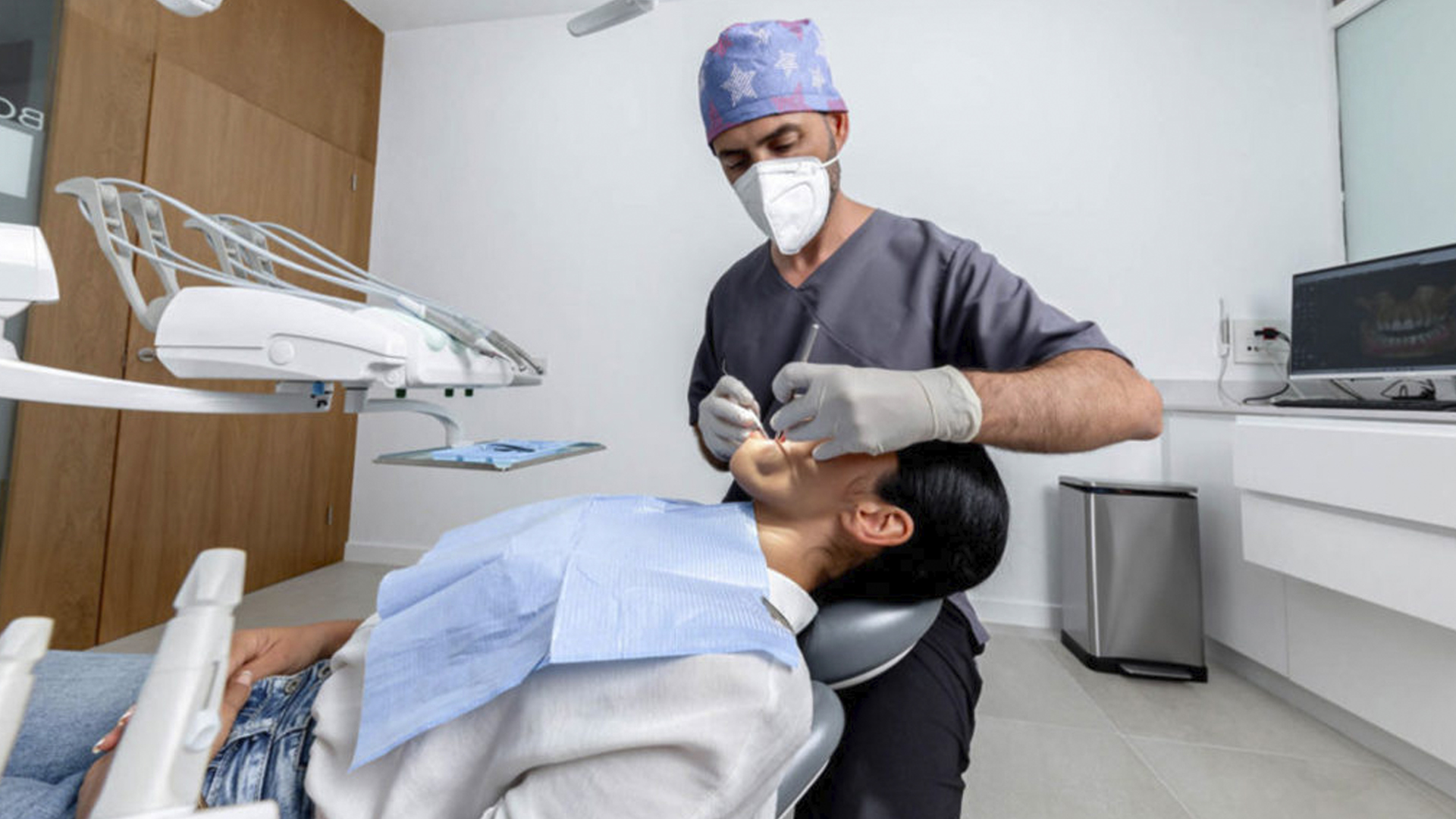

A knocked-out tooth changes the pace of a day in a single second. One slip near a pool deck, an elbow during a pickup basketball game, a fall off a bike on Harbor Boulevard, and suddenly you are holding a tooth in your hand, trying to figure out whether it can be saved. In those first few minutes, what happens next matters more than most people realize.
When patients call an Emergency Dentist Ventura office after an avulsed tooth, the conversation is rarely calm at first. There is usually blood, swelling, and a lot of panic. Parents worry they have done something wrong. Adults often assume the tooth is gone for good. Neither reaction helps. A knocked-out permanent tooth can sometimes be replanted successfully, but the time window is short, and the handling of that tooth is critical.
The good news is that modern emergency dental care has clear, practical solutions for this kind of injury. The less comforting truth is that not every tooth can be saved, even when everyone does the right things. The condition of the root, the amount of time outside the mouth, contamination, and whether the tooth is a baby tooth or a permanent tooth all shape the outcome. That is why quick decisions, not guesswork, make the difference.
Why a knocked-out tooth is a true dental emergency
Some dental problems can wait until the next morning. A loose filling is frustrating. A chipped edge may be ugly and sensitive, but often manageable. A knocked-out permanent tooth belongs in a different category.
The root surface of a tooth is covered with delicate periodontal ligament cells. Those cells help the tooth reattach to the socket after replantation. Once the tooth dries out, those cells begin to die. That is the main reason dentists emphasize speed so strongly. There is no dramatic trick involved, just biology and a narrow window of opportunity.
In practical terms, many dentists view the first 30 minutes as especially important. Teeth replanted during that period generally have a better chance than teeth that stay dry for an hour or more. That does not mean the effort is pointless after 30 minutes. It means urgency is justified. Even when the ideal window has passed, an experienced emergency dentist may still be able to stabilize the tooth or offer another immediate solution to preserve the area and reduce long-term damage.
This kind of injury also brings other concerns that are easy to overlook in the moment. Trauma severe enough to knock out a tooth can crack the surrounding bone, damage neighboring teeth, injure the lips and cheeks, or affect the jaw joint. Children and athletes sometimes focus only on the missing tooth while a more significant facial injury goes unnoticed. A thorough exam is not optional. It is part of protecting the whole mouth.
The first five minutes matter most
People often lose valuable time searching online, rinsing the mouth repeatedly, or wrapping the tooth in a paper towel. That delay can hurt the prognosis. The immediate goal is https://alexisdrnc339.huicopper.com/emergency-dentist-ventura-advice-for-tooth-sensitivity-that-turns-severe straightforward: find the tooth, handle it gently, and keep it moist while getting to care fast.
If the tooth is a permanent tooth, the best first-aid approach usually looks like this:
- Pick the tooth up by the crown, not the root.
- If it is dirty, rinse it briefly with milk or saline, or clean water for only a few seconds.
- If possible, place it back into the socket right away and have the person bite gently on gauze.
- If replanting is not possible, store it in cold milk or inside the cheek if the patient is old enough not to swallow it.
- Call an Emergency Dentist Ventura provider immediately and head in without delay.
Those steps sound simple on paper, but they are often mishandled under stress. The most common mistake is scrubbing the root. People want to clean visible dirt away, and that instinct is understandable. Unfortunately, rubbing the root with a cloth, brush, or tissue can destroy the very cells needed for successful reattachment. A quick rinse is enough. No soap, no disinfectant, no alcohol.
Another common mistake is placing the tooth in tap water for an extended time. Water is better than letting the tooth dry on a countertop, but it is not ideal for preserving root surface cells. Milk is usually the best readily available option at home, on a sports field, or in a workplace break room. A tooth preservation kit, if one happens to be nearby, is excellent, but most people will never have one at hand when the injury occurs.
Adult tooth or baby tooth, the response is different
This is where judgment matters. A knocked-out baby tooth should generally not be pushed back into the socket. Reimplanting a primary tooth can damage the developing permanent tooth beneath it. Parents naturally want to save what they see, but in this case the right move is restraint. The child still needs prompt dental evaluation, especially to check for fragments, soft tissue injury, and impact on nearby teeth, but the treatment path differs from that of a permanent tooth.
A permanent tooth is different. If it has been fully avulsed and the patient is cooperative, immediate replantation can be a smart move before arriving at the dental office. The distinction between baby and adult teeth is not always obvious to a caregiver, especially if the child is around six to nine years old, when mixed dentition is common. In that gray zone, a quick call to an emergency dental office helps. A receptionist or clinical staff member can often guide the family while the dentist prepares for arrival.
I have seen parents hesitate because they were afraid of causing pain. That hesitation is human, but speed usually matters more than perfection. If there is uncertainty about whether the tooth is permanent, bring the tooth in milk and get evaluated quickly rather than experimenting. The point is not heroic home treatment. The point is preserving options.
What an emergency dentist does once you arrive
Emergency care for a knocked-out tooth is hands-on and time-sensitive. The dentist first looks at the overall injury pattern. Is the socket intact? Is there active bleeding that needs control? Are adjacent teeth intruded, fractured, or displaced? Is there evidence of a jaw fracture or lip laceration with embedded tooth fragments? A dental X-ray often follows quickly to assess the socket and the surrounding bone.
If the tooth is suitable for replantation, the dentist will gently clean the socket if needed, reposition the tooth, and stabilize it with a flexible splint attached to neighboring teeth. Flexible splinting is important because teeth heal better with slight physiological movement than with rigid fixation in many cases. The splint usually stays in place for a short period, often around two weeks, though the exact timing depends on the injury and any associated fractures.
The tooth itself may still need root canal treatment later, particularly in fully developed adult teeth. Patients are often surprised by this. They assume that if the tooth goes back in, the problem is solved. In reality, replantation is the beginning of management, not the end. Follow-up appointments are essential because a replanted tooth can develop pulp necrosis, root resorption, or ankylosis over time. Some of those complications appear months after the injury, not days.
Pain control is usually straightforward, though soreness can be significant. The dentist may also consider a tetanus update if the injury involved contamination, and in some cases antibiotics may be prescribed depending on the clinical picture and the patient’s medical history. This is where comprehensive emergency care matters. A knocked-out tooth is not just a cosmetic inconvenience. It is a trauma case.
When the tooth cannot be saved
Not every avulsed tooth makes it back into service long term. Sometimes the root is fractured. Sometimes the socket is too damaged. Sometimes the tooth stayed dry too long. In other cases, the tooth can be replanted as a temporary space-preserving measure, even if the long-term prognosis is guarded. That may sound discouraging, but preserving bone and appearance for a period can still be valuable.
If the original tooth cannot be retained, a good emergency dentist shifts from rescue to stabilization and future planning. That may involve protecting the socket, controlling pain, discussing a temporary replacement, and preserving the ridge for a future implant or bridge. For front teeth, appearance matters immediately. Patients often care about the missing tooth as much as the pain, especially if work or school cannot be postponed.
The replacement options depend on age, bone condition, bite, and budget. A teenager with ongoing growth is a very different case from a 45-year-old adult with a stable bite and healthy bone. An implant may be ideal for one patient and completely inappropriate for another at that moment. This is where canned answers fail. Good emergency dentistry includes a realistic discussion about timing, healing, and next steps, not just a quick patch.
The sports injury pattern Ventura dentists see often
Coastal communities see a predictable mix of dental trauma. Surfboards, skateboards, scooters, bike falls, baseballs, and incidental contact sports all create the same kind of oral injuries. The details vary, but the pattern is familiar: a front tooth is knocked out, the lip is split, and there is often a secondary injury to a neighboring tooth that does not look dramatic at first glance.
A teenage athlete may walk in focused on the missing central incisor while the lateral incisor next to it has actually been driven partly into the bone. An adult cyclist may save the avulsed tooth correctly in milk but not realize the alveolar bone is fractured too. These are not rare edge cases. They are common enough that any provider advertising Emergency Dentist Ventura services should be prepared to evaluate trauma comprehensively and arrange specialist follow-up when needed.
Mouthguards deserve more respect than they get. A properly fitted mouthguard does not prevent every injury, but it reduces the force transmitted to teeth and soft tissue. Stock guards from a sporting goods store are better than nothing, yet custom options tend to fit better, stay in place, and are far more likely to be worn consistently. That matters because the best protective gear is the one that does not get left in the gym bag.
What patients often ask in the chair
One of the first questions is whether the tooth will look normal again. If the tooth survives, it may still change color over time, especially if the pulp is damaged. Modern dentistry has ways to manage that, including internal treatment, whitening approaches in selected cases, bonding, or crowns when appropriate. Still, it is better to prepare patients for a process rather than promising a perfect rewind.
Another common question is whether the tooth will feel loose forever. After replantation and splinting, teeth often feel strange for a while. That sensation alone does not mean failure. Healing takes time, and the periodontal ligament needs a chance to recover. At the same time, persistent mobility, pain on biting, or swelling can signal trouble and should be checked promptly.
Parents frequently ask whether their child will lose the permanent tooth later even if it is saved now. The honest answer is maybe. Traumatized teeth can remain functional for years, or they can develop complications despite textbook management. The role of the emergency dentist is to maximize the chances today and monitor intelligently over time.
Signs the injury is more serious than it first appears
Some symptoms should raise the level of concern immediately. These signs do not automatically mean a worst-case scenario, but they should not be brushed off:
- The patient cannot close the teeth together normally after the injury.
- There is numbness in the lip, chin, or face.
- A tooth appears pushed upward or sideways rather than simply chipped.
- Bleeding does not slow with pressure.
- There was loss of consciousness, dizziness, or facial impact beyond the mouth.
That final point is important. Dental injuries and medical emergencies can overlap. If there is any concern about head injury, neck injury, or heavy uncontrolled bleeding, medical evaluation comes first. The tooth matters, but the person matters more.
The practical value of calling before you drive over
When people panic, they tend to leave first and call later. Sometimes that works out. Often it creates avoidable delays. Calling the office while someone else drives can help the team prepare the room, confirm whether the injury involves a likely permanent tooth, and advise on storage media if the tooth has not been handled correctly yet. Those few minutes can be useful.
It also helps set expectations. Some offices can see trauma immediately. Others may need to direct the patient to a provider with emergency availability or to an oral surgeon if the injuries are more complex. The term Emergency Dentist Ventura should mean more than same-day convenience. In a trauma case, it should mean organized, decisive care and appropriate triage.
Recovery is not just about pain relief
Once the initial emergency passes, patients tend to underestimate the importance of follow-up. If the tooth was replanted, serial examinations and X-rays are often necessary. The dentist watches for signs of healing, pulp death, inflammatory root resorption, replacement resorption, and periodontal breakdown. Those terms sound technical, but the practical takeaway is simple: a tooth that looks acceptable after one week may still run into trouble later.
Eating habits need temporary adjustment as well. Most patients do better with a soft diet for a period and should avoid biting directly into hard foods with the injured front teeth. Good oral hygiene matters, but it needs to be gentle around the splint and sore tissues. Chlorhexidine rinses are sometimes used when indicated, though individual instructions vary.
There is also the emotional side, especially for children and young adults. Losing a front tooth, even briefly, can be upsetting in a way that outsiders underestimate. Appearance, speech, school photos, work meetings, and social confidence all get tied up in the event. A skilled dental team recognizes that urgency is not just clinical. It is personal.
How to choose the right emergency dental help
When a tooth is knocked out, this is not the moment for a broad search with twenty browser tabs open. What matters is whether the office handles acute dental trauma, can see the patient quickly, and communicates clearly. Experience with splinting, traumatic injuries, and follow-up planning matters more than polished marketing language.
Ask direct questions. Can you see a knocked-out tooth immediately? Should we bring the tooth in milk? Do you treat children as well as adults? If the injury involves the bone or soft tissue, do you coordinate with a specialist? Good offices answer these without evasiveness.
In my experience, the best emergency teams also stay measured. They do not promise that every tooth can be saved, and they do not minimize the stakes either. They give realistic odds, act fast, and lay out the next step with confidence.
A few final realities worth knowing
A replanted tooth can succeed beautifully, especially when handled correctly and treated quickly. It can also fail months or years later despite excellent care. Both outcomes can be true within competent dentistry. That uncertainty is part of trauma management, and pretending otherwise does not help patients.
What does help is understanding the chain of events that improves the odds. Retrieve the tooth quickly. Touch only the crown. Keep it moist. Seek immediate care. Distinguish between baby and permanent teeth. Follow through after the emergency visit. Those actions do not guarantee a save, but they give the dentist something to work with, and in many cases that changes the story.
For Ventura families, athletes, commuters, and anyone who spends enough time moving fast through ordinary life, dental trauma is not a remote possibility. It is one of those emergencies that feels improbable until it happens. Knowing what to do before it happens is far more valuable than trying to learn under pressure while standing on a sidewalk with a tooth in your palm. When that moment comes, the right Emergency Dentist Ventura care can turn a chaotic injury into a manageable recovery, and sometimes save a natural tooth that would otherwise be lost.
Avra Dental
1708 S Victoria Ave B, Ventura, CA 93003, United States
Phone: +1 805-765-3206
FAQ About Emergency Dentist Ventura
Can the ER do anything for tooth pain?
An emergency department can assess serious symptoms and provide temporary relief, but definitive dental treatment usually requires a dentist. Trouble breathing or swallowing, uncontrolled bleeding, or swelling spreading into the neck requires emergency medical care.
What do I do if I have a dental emergency and no dentist?
Contact a local emergency dental practice promptly, explain your symptoms, and ask about the earliest available assessment. Avra Dental provides emergency dentistry in Ventura; call to confirm availability. If you have life-threatening symptoms or a serious facial injury, go to an emergency department or call 911.
What do I do if tooth pain is unbearable?
Seek urgent dental assessment rather than waiting for the pain to pass. While arranging care, gently rinse with warm water and avoid placing aspirin directly on the tooth or gums. Severe pain with trouble breathing or swallowing, rapidly spreading swelling, or uncontrolled bleeding needs immediate emergency medical care.